Guide · Quality Assurance · July 8, 2026
In industries where a single defective component can compromise safety, mission success or millions in contract value, quality cannot be left to chance — or to self-assessment. Third-party inspection is the independent safeguard that gives buyers, suppliers and regulators confidence that a product genuinely meets its specification.
What is third-party inspection?
Third-party inspection is quality verification carried out by an impartial organisation that is independent of both the buyer and the supplier. Instead of relying on a manufacturer to grade its own work, an accredited inspector examines components, materials, processes and documentation against agreed drawings, specifications and international standards — then issues an objective, traceable report.
That independence is the whole point. Because the inspector has no stake in the outcome, the findings carry weight with customers, auditors and prime contractors alike.
Why is third-party inspection required?
The short answer: it removes bias and risk from quality decisions. Internal quality control, however diligent, carries an inherent conflict of interest — the team checking the part also made it. In high-stakes sectors, that is not good enough. Independent verification provides documented proof of conformance before goods are dispatched, protecting everyone downstream.
Objective, bias-free verification
An independent inspector has no commercial stake in passing a part. Their only job is to confirm the truth against the specification — giving buyers evidence they can trust rather than a supplier's self-assessment.
Risk reduction across the supply chain
Catching non-conformances at the source prevents defective components from reaching assembly, the field or the customer, where the cost of failure multiplies dramatically.
Compliance with standards and contracts
Frameworks such as AS9100, AS9120 and AS9102 first article inspection often require documented, independent verification. Third-party inspection provides the audit-ready evidence that regulators and prime contractors demand.
Protecting cost, schedule and reputation
Rejections, rework, recalls and delays erode margins and trust. Independent inspection protects delivery schedules and brand reputation by confirming quality before dispatch.
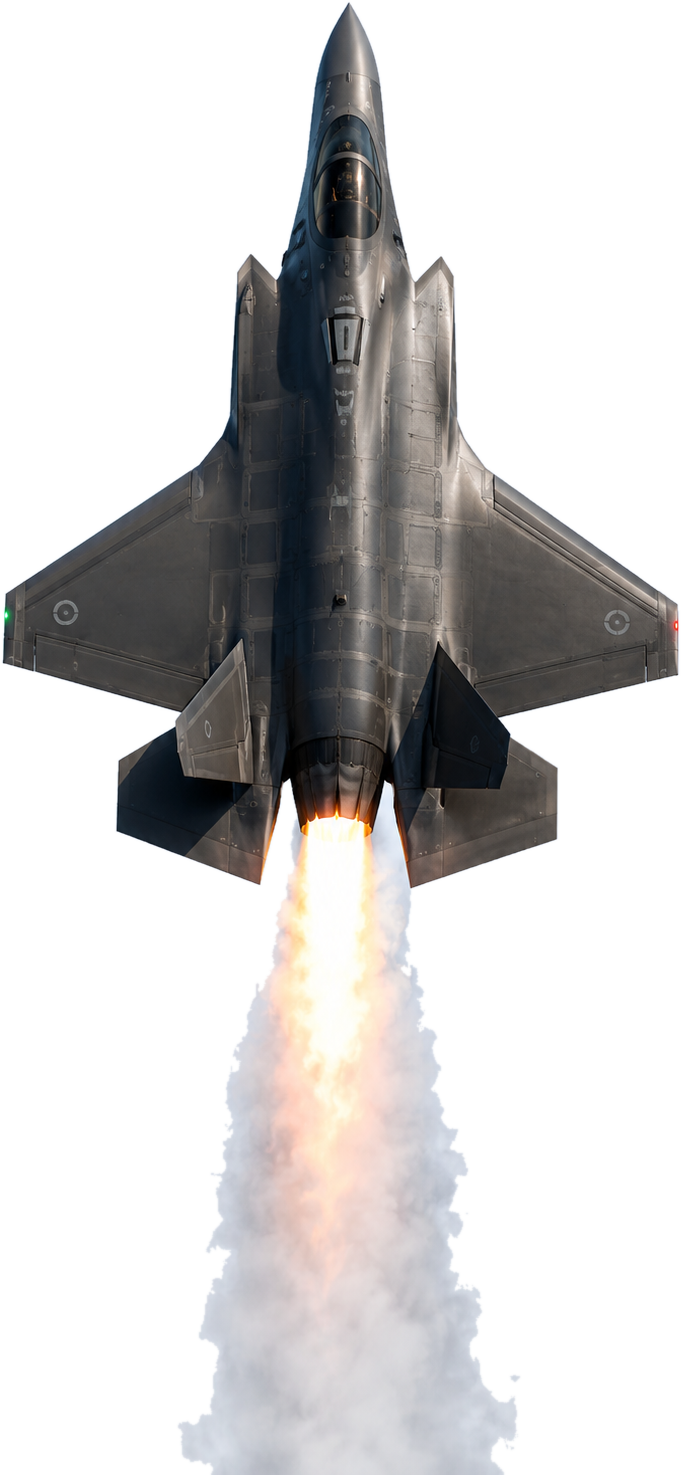
Third-party inspection in aerospace and defence
Nowhere is independent inspection more critical than in aerospace and defence. Airworthiness, mission readiness and human lives depend on components that perform exactly as specified, every time. Standards such as AS9100 and AS9102 first article inspection exist precisely because the margin for error is effectively zero.
Third-party inspection supports these programmes through first article verification, dimensional inspection, NDT and welding checks, heat-treatment and coating verification, and pre-dispatch inspection — each documented to a standard that survives audit and scrutiny.
When should you commission an inspection?
- Onboarding new, unproven or geographically distant suppliers
- Safety-critical or mission-critical components
- First article (AS9102) and pre-dispatch milestones
- Contracts or standards that mandate independent verification
- Limited in-house inspection capacity or specialised measurement needs
Third-Party Inspection Questions
Common questions from teams researching independent quality assurance.
Need independent quality assurance you can trust?
Qopikun delivers standards-driven third-party inspection across aviation, defence and precision manufacturing, with pan-India capability.